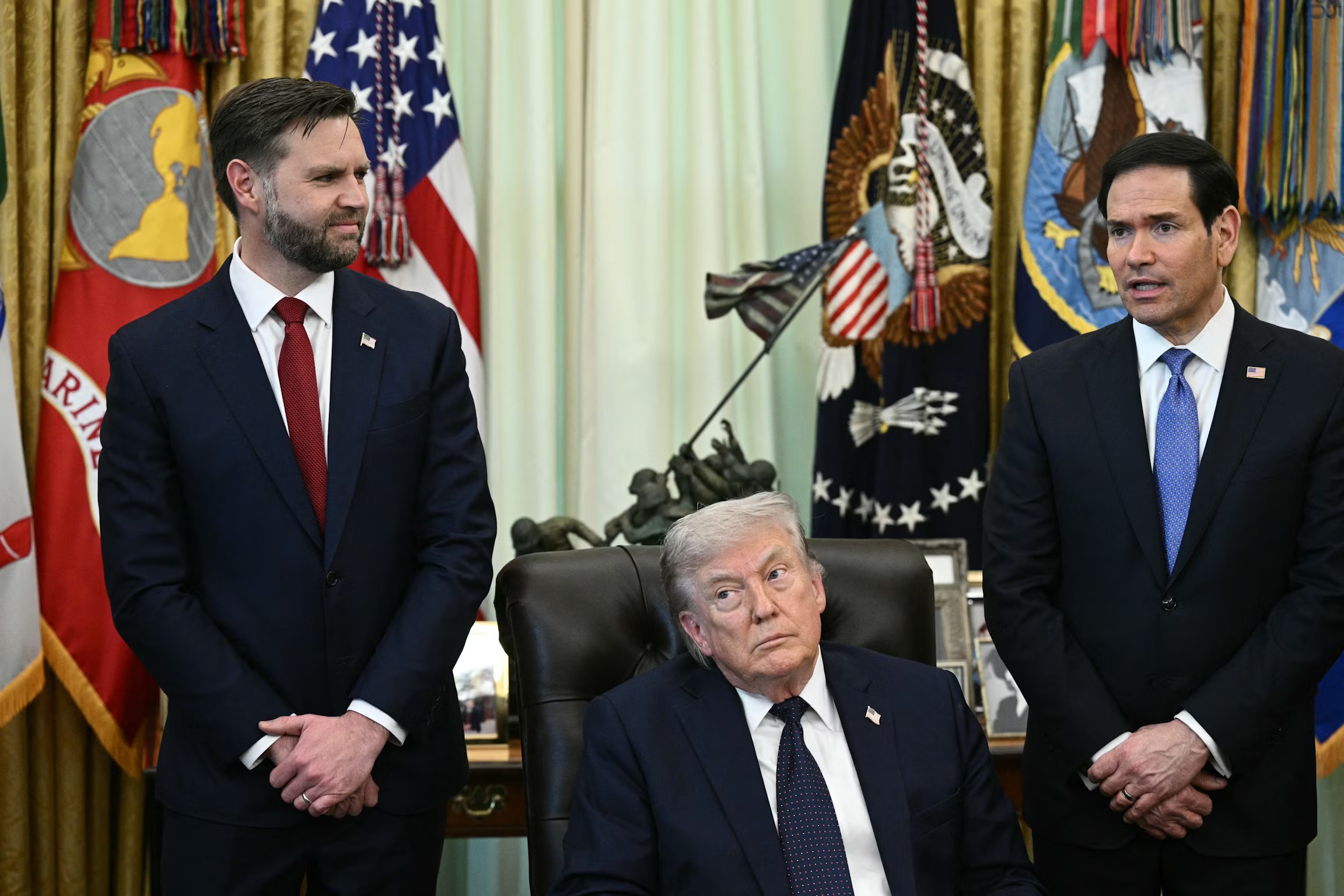
Six days into an escalating military confrontation with Iran, rifts are emerging within the highest echelons of the US government. As Washington and Tehran exchange strikes across the Persian Gulf, a conspicuous silence from top cabinet officials, coupled with mixed messaging from the White House, suggests an administration struggling to formulate a unified strategy.
The most public indicator of this internal division surfaced on Tuesday when Vice President JD Vance publicly rejected reports that the US was reviewing plans for limited ground operations in Iran.
In an unusual move during an active conflict, Vance quickly shut down the narrative, assuring his America First political base that there is no appetite for boots on the ground. However, national security analysts note that Vance’s unilateral declaration effectively undercuts President Donald Trump’s traditional ‘all options on the table’ strategy and contradicts the President’s recent threats.
The Sound of Silence
While the Vice President is shaping the narrative, traditional national security principals have remained remarkably muted.
Historically, during a multi-day kinetic engagement involving US forces, the Secretary of War and the Secretary of State lead daily press briefings. Yet, Secretary of State Marco Rubio, a longtime foreign policy hawk, and War Secretary Pete Hegseth have not made public remarks since the collapse of the Islamabad Memorandum of Understanding few days ago.
Diplomatic sources suggest their silence is indicative of a severe interagency breakdown and an ongoing shadow war for influence within the administration.
Three Competing Camps
Observers point to three warring factions currently paralyzing US policy:
The Hawks: Led by figures like Rubio, this camp favors sustained strikes to permanently cripple Iran’s military infrastructure. Their current silence suggests they are either losing the internal debate or being muzzled to prevent political blowback.
The “America First” Restraint Camp: Championed by Vice President Vance, this faction views Middle Eastern entanglements as a political trap. They support punitive, standoff airstrikes but vehemently oppose regime change or ground wars, prioritizing domestic politics and the Indo-Pacific.
The Oval Office: President Trump remains caught in the middle. While he wants to project overwhelming military strength to his base, he is reportedly deeply concerned about the economic fallout of the conflict, particularly the closure of the Strait of Hormuz and the subsequent spike in global gas prices ahead of the election cycle.
The dissonance in Washington has immediate implications on the battlefield. Security experts warn that the administration’s fragmentation is broadcasting a lack of cohesive strategy to Tehran.